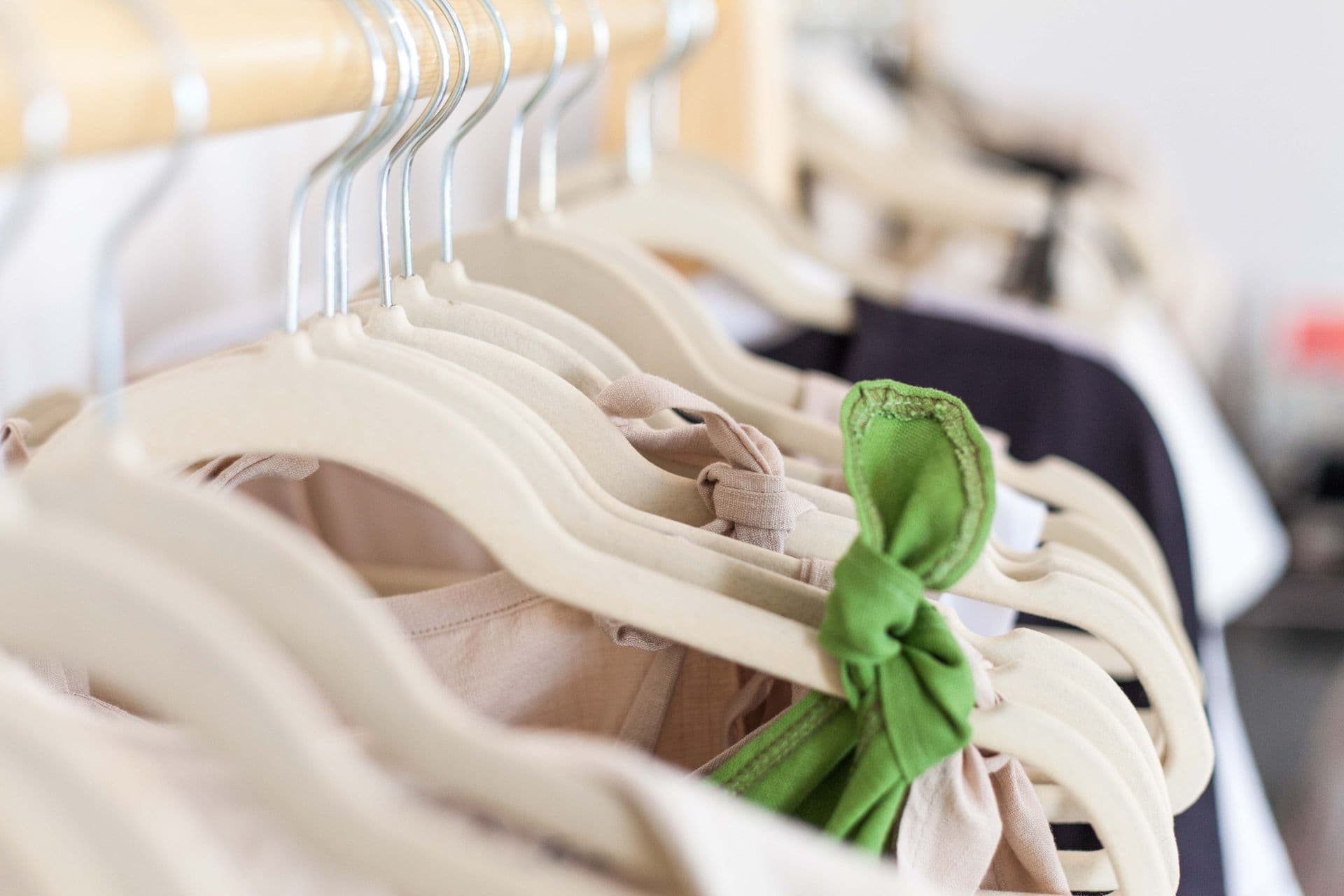
Our commitment shows up in how we produce, not in what we say about it. Wet processing runs through an in-house effluent treatment plant, cutting waste is sorted and recovered instead of landfilled, and the mills we place work with are assessed on compliance before capacity. See the difference our actions make, beyond promises.
We believe sustainability should be proven, not proclaimed. That is why our work is held to five stated pillars — good governance, circular manufacturing, environment awareness, innovation and economic stability — and why we would rather walk you through the floor than hand you a brochure. Every garment we make is a step toward a more responsible industry.



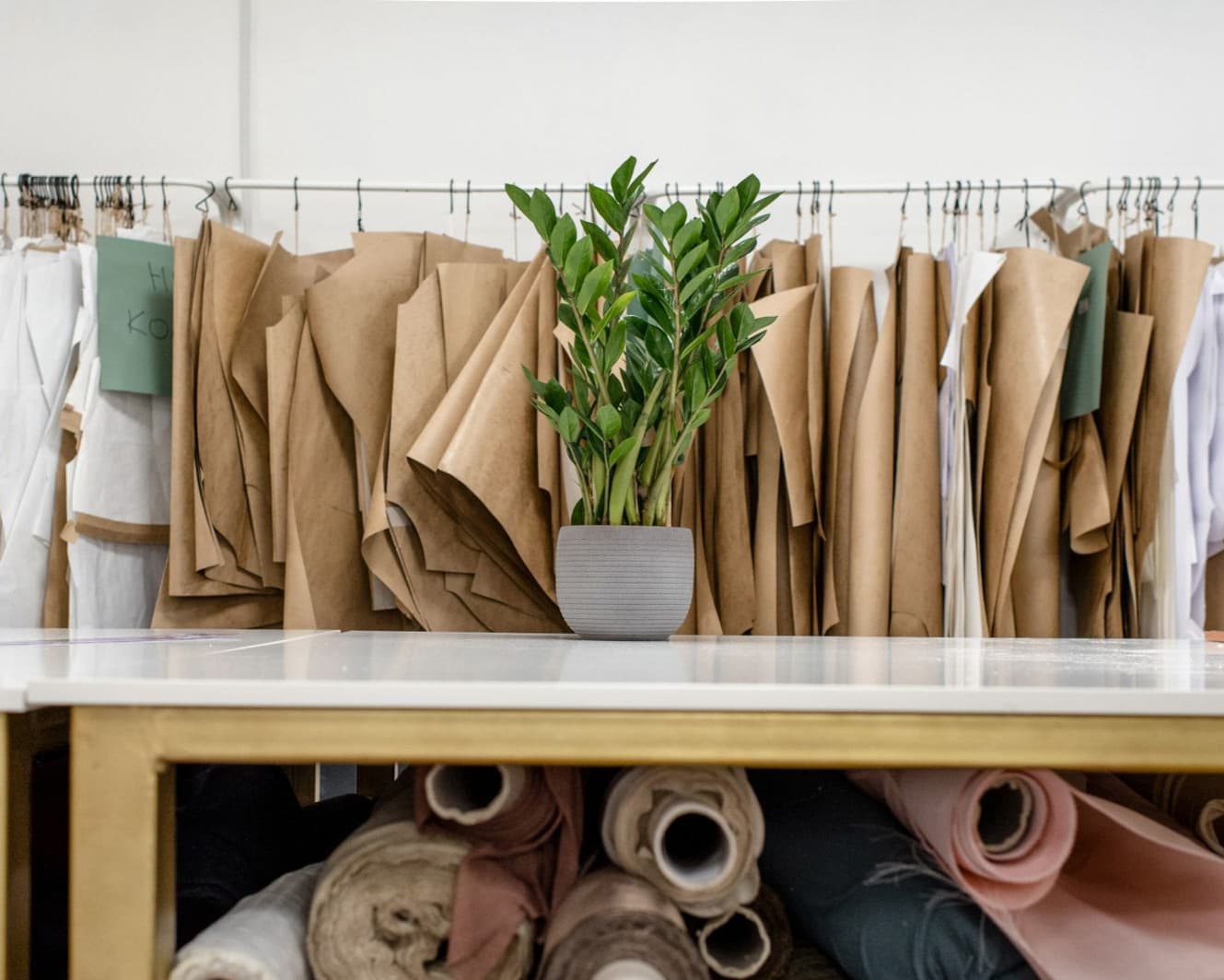
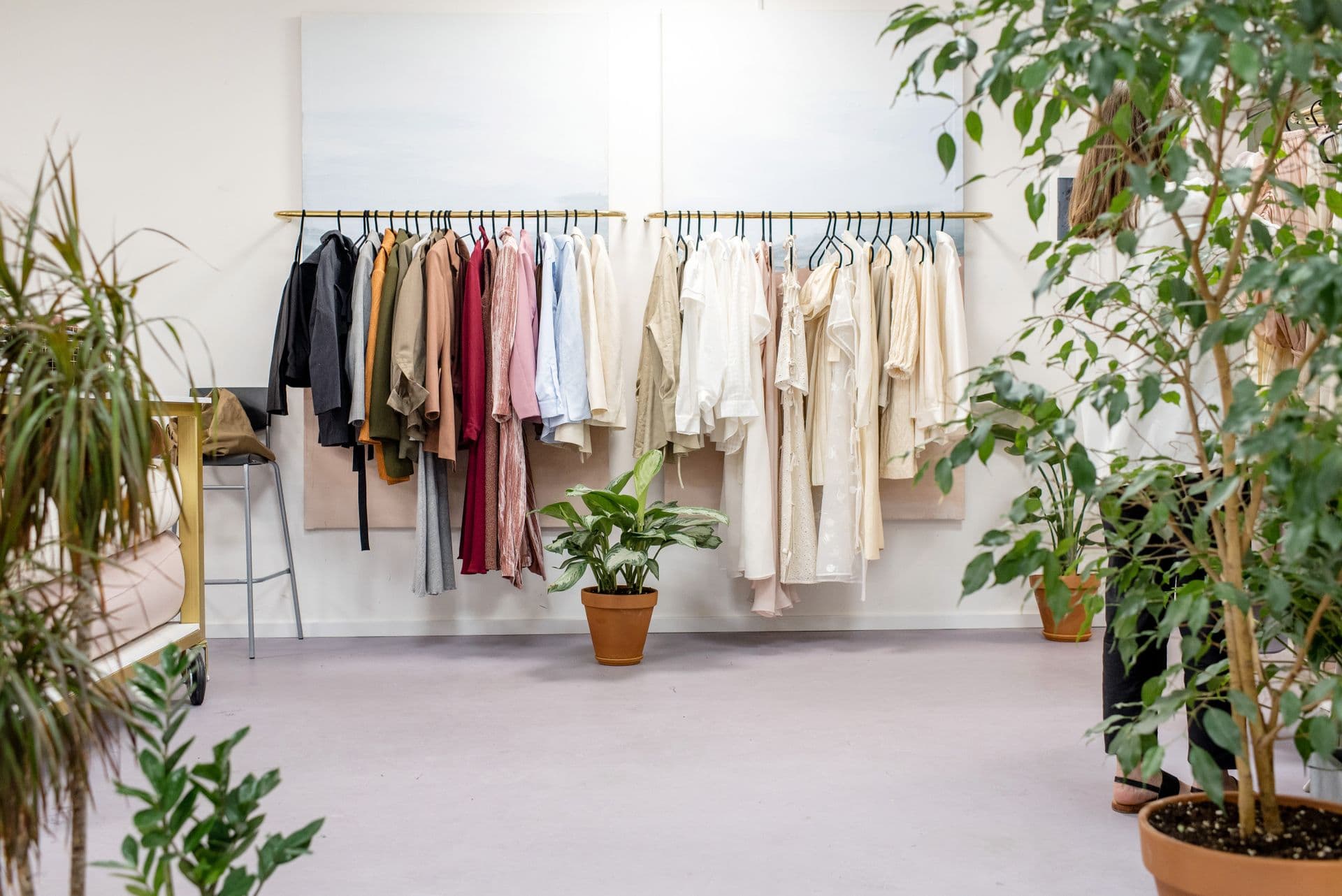
Our materials are chosen to cut environmental impact without giving up hand-feel or durability. Recycled-cotton and blended-fibre options sit alongside the constructions we knit in-house — single jersey, terry, rib, pique, interlock — and each one is held to an agreed GSM and shade before a garment is cut. Sustainability and quality are the same decision, made once, at the yarn.
Managing Director
Savino Limited
Our goals are specific rather than aspirational: cut the water and energy behind every kilo of fabric, keep cutting waste out of landfill, and raise the share of responsibly sourced material in each programme we run. Progress is measured against the five pillars we publish — and reported to the buyers who ask the hard questions.
We aim to lead by example rather than by claim. The direction is set: cleaner wet processing with effluent treated before it leaves site, energy-efficient machinery as lines are renewed, and fair, stable employment for the people who actually make the garments. Style, quality and responsibility are one decision, not three.


Looking ahead, the work is to push further up the chain than our own floor. That means expanding recycled and organic content wherever the specification allows it, renewing machinery for lower energy and water per kilo of fabric, and designing waste out at the marker rather than sorting it after the fact.
Beyond materials and machinery, we want to be easier to verify. Clearer reporting for the buyers who ask for it, closer work with the mills and factories we place volume with, and continued investment in the people and communities this industry actually rests on — a future where style and responsibility are the same brief, not competing ones.